Replace Cedar Siding With Cement Board
Replace cedar siding with cement board: This comprehensive guide explores the practical and aesthetic aspects of upgrading your home’s exterior. We’ll delve into a detailed cost analysis, comparing the initial investment and long-term expenses of both cedar and cement board siding. We’ll then walk you through the installation process, highlighting key differences and best practices for a successful project. Finally, we’ll examine the material properties, maintenance requirements, and environmental impact of each option, empowering you to make an informed decision.
From understanding the intricacies of material selection to navigating the installation process, this guide provides a clear path to transforming your home’s exterior. We’ll cover everything from choosing the right cement board to mimicking the look of cedar, ensuring a beautiful and durable finish. Learn about the benefits of increased durability, fire resistance, and lower maintenance that cement board offers, compared to the natural beauty and inherent characteristics of cedar.
Cost Comparison
Replacing cedar siding with cement board involves a significant investment, but the long-term benefits need careful consideration. This section will break down the costs associated with each option, helping you make an informed decision. Remember that prices can vary widely depending on your location, the size of your home, and the specific materials and labor costs in your area. Always obtain multiple quotes from reputable contractors.
The following table provides a general cost comparison. These figures are estimates and should be considered starting points for your own budgeting process. Actual costs may vary considerably.
Cost Breakdown of Cedar Siding vs. Cement Board
| Material | Labor | Permits | Total Cost (Estimate) |
|---|---|---|---|
| Cedar Siding: $4 – $8 per square foot | $3 – $6 per square foot | $300 – $1000 (depending on location and project size) | $7 – $14 per square foot + permit costs |
| Cement Board Siding: $6 – $12 per square foot | $4 – $7 per square foot | $300 – $1000 (depending on location and project size) | $10 – $19 per square foot + permit costs |
Note: These are rough estimates. The actual cost will depend on factors like the complexity of the job, the condition of the existing siding, the need for additional work (such as insulation replacement), and regional variations in material and labor costs.
Long-Term Cost-Effectiveness
Comparing the long-term cost-effectiveness requires considering several factors beyond the initial investment. The following list highlights the advantages and disadvantages of each siding material.
- Cedar Siding:
- Advantages: Natural beauty, relatively easy installation (for experienced installers), can add significant curb appeal.
- Disadvantages: Requires regular maintenance (staining, sealing), susceptible to rot, insect damage, and fire, shorter lifespan (15-30 years), higher replacement costs in the long run.
- Cement Board Siding:
- Advantages: Durable, low maintenance, resistant to rot, insects, and fire, longer lifespan (50+ years), lower long-term replacement costs.
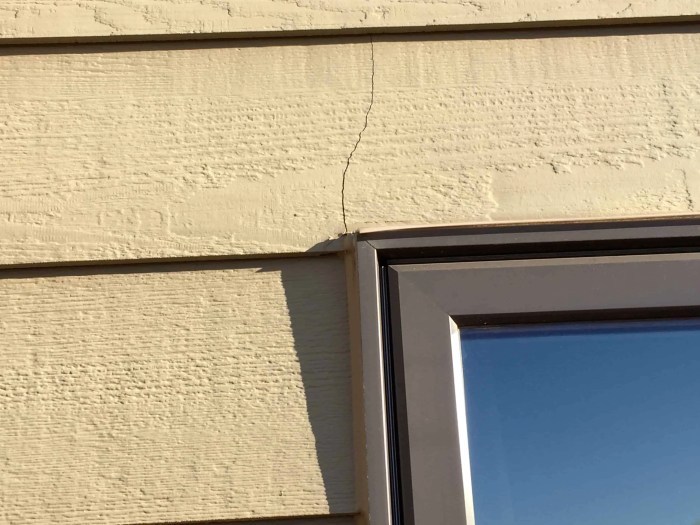
- Disadvantages: Higher initial cost, can be more challenging to install, less aesthetically pleasing than cedar (though styles vary), potential for cracking if not installed correctly.
Potential Savings or Increased Expenses
Certain aspects of the replacement process can significantly impact the overall cost. Careful consideration of these factors is crucial for accurate budgeting.
- Insulation: If your existing insulation is outdated or inadequate, replacing it during the siding project can save money on energy bills in the long run. However, this will increase the initial cost of the project. For example, adding blown-in insulation could add $1-$3 per square foot to the overall cost, but this investment could pay for itself in reduced energy costs over the life of the siding.
- Underlayment: Using a high-quality underlayment (like a waterproof membrane) can protect your home from moisture damage and extend the life of your siding. While adding to the upfront cost (approximately $0.50-$1.50 per square foot), it can prevent costly repairs down the line. For instance, avoiding water damage that could lead to rot or mold remediation can save thousands of dollars in the future.
Installation Process
Replacing cedar siding with cement board siding is a significant undertaking, requiring careful planning and execution. This process involves several key stages, from removing the old siding to installing the new cement board and finishing touches. Understanding each step is crucial for a successful and long-lasting result. This section details the process, comparing and contrasting it with cedar siding installation.
Cedar Siding Removal
Careful removal of the existing cedar siding is the first step. Begin by removing any trim or molding around windows and doors. Then, starting from the bottom, carefully pry off each cedar plank using a pry bar, working your way up. Be mindful not to damage the underlying sheathing. Dispose of the cedar siding responsibly, considering local recycling options. A visual representation would show a worker using a pry bar to carefully remove a cedar plank, starting from the bottom and working upwards, avoiding damage to the underlying wall. The image would also highlight the removal of trim pieces around windows and doors as a preliminary step.
Surface Preparation
Once the cedar siding is removed, a thorough inspection of the underlying sheathing is necessary. Repair any damaged areas, replacing rotten or damaged wood. This might involve patching holes with wood filler or replacing entire sections of sheathing. After repairs, ensure the surface is clean and dry. Any loose debris or dust should be removed using a brush or pressure washer. A detailed image would show the inspection process, highlighting areas needing repair, and illustrating the application of wood filler or replacement of damaged sheathing.
Cement Board Installation
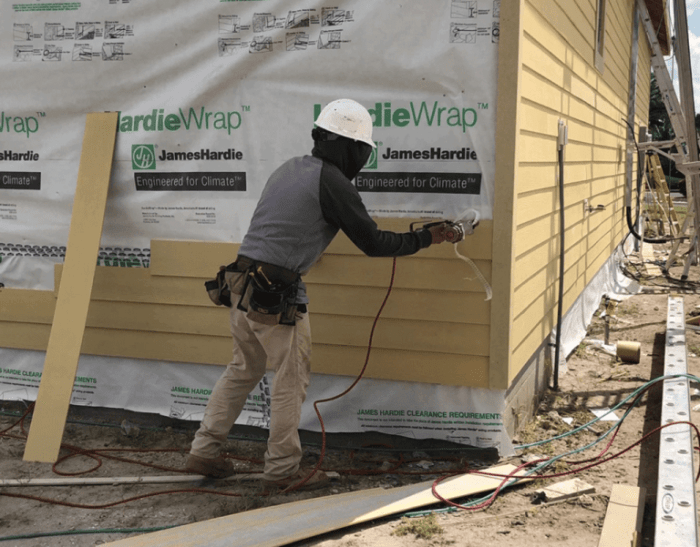
Cement board installation begins with applying a water-resistant barrier, such as a house wrap, over the sheathing. This protects the wall from moisture. Next, install the cement board panels, overlapping the edges slightly and securing them with corrosion-resistant nails or screws. Maintain consistent spacing between panels for proper expansion and contraction. Caulk all seams and edges to prevent water penetration. A visual would show the application of house wrap, followed by the installation of cement board panels, highlighting proper overlapping and fastening techniques. The image would also emphasize the importance of caulking all seams and edges.
Comparison of Installation Techniques
Cedar siding installation is typically easier and faster, often involving nailing planks directly to the sheathing. However, it requires more frequent maintenance due to its susceptibility to rot, insect damage, and weathering. Cement board installation is more labor-intensive, requiring careful attention to detail and precise measurements. However, it offers superior durability, longevity, and resistance to weather damage. A comparison table would clearly illustrate these differences, with columns for material, installation difficulty, maintenance requirements, durability, and cost.
Best Practices for Cement Board Installation
Proper substrate preparation is crucial for long-lasting results. Ensure the underlying sheathing is sound and free from moisture. Use corrosion-resistant fasteners appropriate for the cement board thickness and the type of sheathing. Always follow the manufacturer’s instructions for proper installation and spacing. Consider weather conditions; avoid installation during rain or extreme temperatures. For example, installing cement board on a hot day can lead to premature cracking due to rapid drying. A visual would depict a correctly installed cement board panel with proper fastening and spacing, contrasted with an incorrectly installed panel showcasing potential problems like insufficient fastening or improper spacing.
Material Properties and Aesthetics
Source: associatedsidingomaha.com
Choosing between cedar siding and cement board involves careful consideration of both practical properties and aesthetic preferences. This section will delve into a detailed comparison of these aspects, helping you make an informed decision for your home’s exterior. We’ll examine the inherent differences in durability, moisture resistance, and fire safety, as well as explore the visual impact of each material.
Cedar Siding and Cement Board: A Property Comparison
The following table summarizes key differences in the physical properties of cedar siding and cement board:
| Property | Cedar Siding | Cement Board |
|---|---|---|
| Durability | Moderately durable; susceptible to rot, insect damage, and weathering. Requires regular maintenance. | Highly durable; resistant to rot, insect damage, and weathering. Requires minimal maintenance. |
| Moisture Resistance | Low; absorbs moisture, leading to potential rot and warping. Requires proper sealing and maintenance. | High; resists moisture absorption, minimizing the risk of rot and damage. |
| Fire Resistance | Low; highly flammable. | High; classified as a non-combustible material. Offers significant fire protection. |
| Maintenance | High; requires regular cleaning, staining, or painting to maintain appearance and protect from damage. | Low; typically only requires occasional cleaning. |
Aesthetic Differences Between Cedar Siding and Cement Board
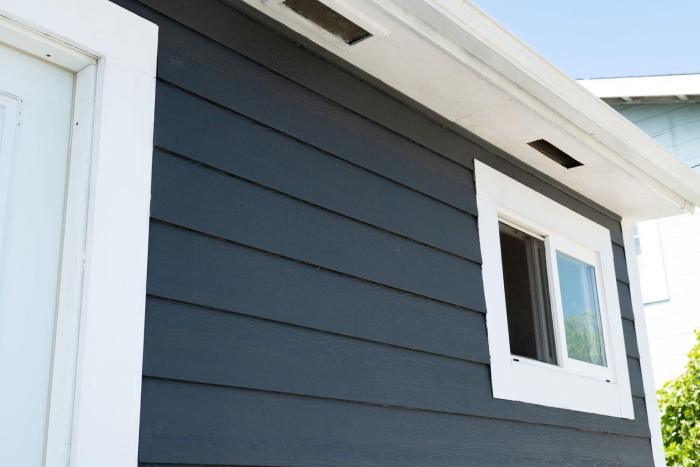
While cedar siding offers a naturally warm and rustic appeal, cement board provides a more modern and versatile aesthetic. Cedar’s natural variations in color and grain create a unique, organic look. However, this natural beauty requires ongoing maintenance to prevent fading and weathering. In contrast, cement board offers a consistent, uniform appearance that requires minimal upkeep.
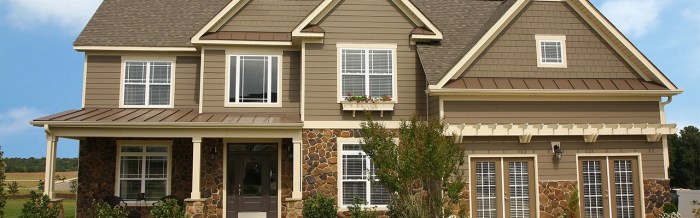
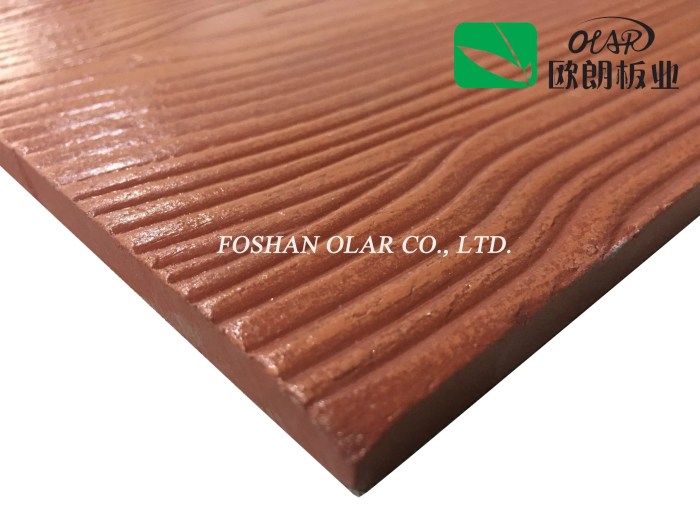
Cement board manufacturers offer a range of finishes and textures to enhance its aesthetic appeal. Some options mimic the look of wood grain, while others provide a smooth, clean surface. Textured finishes can add depth and visual interest, creating a more sophisticated look than a simple smooth surface. Color options are extensive, allowing for a wide range of design possibilities. For example, a cement board with a deeply textured finish and a stained brown color can successfully replicate the look and feel of cedar siding.
Mimicking Cedar Siding with Cement Board
The versatility of cement board allows for a surprisingly accurate replication of cedar siding’s appearance. By selecting a cement board with a wood-grain texture and applying a stain that closely matches the color of cedar, homeowners can achieve a very similar aesthetic. For instance, a dark brown stain applied to a cement board with a deeply embossed wood grain texture will create a visually convincing substitute for natural cedar. The key lies in choosing a texture and color that closely matches the desired cedar look. Many manufacturers offer specific products designed to emulate wood siding, offering a variety of tones and textures.
Maintenance and Longevity
Source: thespruce.com
Choosing between cedar and cement board siding involves considering long-term maintenance and the lifespan of each material. Both options require attention, but the type and frequency of maintenance differ significantly, impacting overall cost and longevity. Understanding these differences is crucial for making an informed decision.
Cedar siding, while aesthetically pleasing, demands more frequent maintenance than cement board. Its natural composition makes it susceptible to various environmental factors and pests, requiring proactive care to preserve its beauty and structural integrity. Cement board, on the other hand, offers a more low-maintenance solution, though it still requires some attention to ensure its longevity and appearance.
Cedar Siding Maintenance and Lifespan
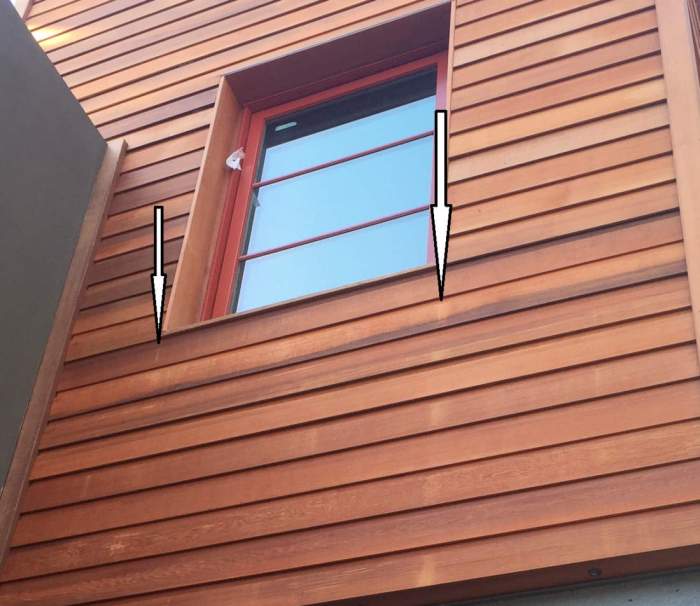
Cedar siding requires regular cleaning to remove dirt, mildew, and other debris. Pressure washing can be effective, but it must be done carefully to avoid damaging the wood. Depending on the climate and exposure to sunlight, cedar siding may need repainting or staining every 3-7 years to protect it from the elements and prevent premature graying. Repairs, such as replacing damaged boards or addressing rot, are more common with cedar than with cement board. The lifespan of cedar siding, even with diligent maintenance, typically ranges from 20 to 30 years, depending on the climate and quality of the installation. In harsh climates with significant rainfall or freezing temperatures, cedar’s lifespan can be significantly reduced due to increased susceptibility to rot and insect damage. For example, in coastal areas with high humidity, cedar siding might require more frequent maintenance and have a shorter lifespan than in drier climates.
Cement Board Siding Maintenance and Lifespan
Cement board siding is significantly more resistant to rot, insect infestation, and fire damage than cedar. Cleaning typically involves occasional rinsing with water and a soft brush to remove dirt and grime. While cement board doesn’t require staining or painting for protection, many homeowners choose to paint it for aesthetic reasons. When painted, repainting is typically needed every 5-10 years, depending on the paint quality and exposure to the elements. Repairs are less frequent with cement board, but damage from impacts or severe weather might require replacing individual panels. The lifespan of cement board siding is considerably longer than cedar, often exceeding 50 years with minimal maintenance. Extreme weather events, such as hailstorms or strong winds, can cause damage to both types of siding, but cement board tends to withstand these events better than cedar. For instance, a hurricane might damage both types of siding, but the repairs to cement board would likely be less extensive.
Common Problems and Solutions, Replace cedar siding with cement board
Understanding potential problems and their solutions is vital for maintaining the integrity of your siding.
Cedar Siding:
- Problem: Rot and decay due to moisture. Solution: Promptly repair or replace damaged boards; ensure proper ventilation to reduce moisture buildup.
- Problem: Insect infestation (termites, carpenter ants). Solution: Professional pest control treatment; regular inspections.
- Problem: Cracking and warping due to sun exposure and temperature fluctuations. Solution: Regular maintenance, including staining or painting, to protect the wood.
- Problem: Mildew and algae growth. Solution: Regular cleaning with a suitable cleaner and pressure washing (low pressure).
Cement Board Siding:
- Problem: Cracking or chipping from impact damage. Solution: Replace damaged panels.
- Problem: Staining or discoloration. Solution: Cleaning with a suitable cleaner; repainting if necessary.
- Problem: Water damage behind the siding (if not properly installed). Solution: Professional inspection and repair to address moisture intrusion.
Environmental Impact
Source: buffalo-lumber.com
Choosing between cedar siding and cement board siding involves considering not only aesthetics and cost but also the environmental implications throughout the material’s lifecycle. Both options have their own unique environmental footprint, influenced by factors ranging from raw material sourcing and manufacturing processes to eventual disposal. Understanding these differences can help homeowners make informed decisions aligned with their environmental values.
Cedar siding, a natural product, might seem inherently environmentally friendly. However, its environmental impact is complex.
Cedar Siding’s Environmental Profile
The environmental impact of cedar siding is multifaceted. Sourcing cedar often involves logging, which can lead to deforestation and habitat loss if not managed sustainably. The manufacturing process, while generally less energy-intensive than cement production, still involves transportation and milling, contributing to greenhouse gas emissions. Finally, the disposal of cedar siding can contribute to landfill waste, although it is biodegradable over time. The sustainability of cedar siding heavily relies on responsible forestry practices, including replanting and avoiding old-growth forests. Certifications like the Forest Stewardship Council (FSC) label can help consumers identify sustainably sourced cedar. The longevity of cedar siding, if properly maintained, can offset some of the initial environmental costs.
Cement Board Siding’s Environmental Profile
Cement board siding’s manufacturing process is energy-intensive, requiring significant amounts of energy to produce cement from limestone and other raw materials. This process contributes significantly to greenhouse gas emissions, primarily carbon dioxide. The extraction of raw materials also has environmental impacts, such as habitat disruption and dust pollution. Cement board siding is not biodegradable and its disposal typically involves landfill space. However, some regions are exploring recycling programs for construction waste, potentially offering a more sustainable end-of-life solution. The durability and longevity of cement board siding, however, can lessen the overall environmental impact over its long lifespan compared to more frequently replaced materials.
Comparative Analysis of Environmental Impacts
A direct comparison between the environmental impacts of cedar and cement board siding is difficult due to the variability in sourcing, manufacturing processes, and disposal methods. Life cycle assessments (LCAs) are needed for a comprehensive comparison. However, some general observations can be made. While cedar’s sourcing can contribute to deforestation, cement board’s manufacturing process contributes significantly to greenhouse gas emissions. Both materials require transportation, adding to their carbon footprint. The ultimate environmental impact depends on several factors, including the sourcing and management of the cedar, the energy efficiency of the cement production, and the end-of-life management of both materials. Choosing a sustainably sourced cedar and minimizing transportation distances can reduce the environmental impact of both options.
Last Recap
Ultimately, the decision to replace cedar siding with cement board depends on your individual priorities, budget, and aesthetic preferences. While cedar offers a classic, natural look and feel, cement board provides superior durability, longevity, and low-maintenance benefits. By carefully weighing the factors Artikeld in this guide – cost, installation, material properties, maintenance, and environmental impact – you can confidently choose the siding that best suits your home and lifestyle. Remember to always consult with qualified professionals for accurate cost estimates and professional installation.
Commonly Asked Questions: Replace Cedar Siding With Cement Board
Can I install cement board siding myself?
While possible for experienced DIYers, professional installation is often recommended due to the complexity and potential for errors. Improper installation can lead to water damage and other issues.
How long does cement board siding last?
Cement board siding typically lasts 30-50 years or more, significantly longer than cedar siding.
Is cement board siding susceptible to damage?
Cement board is resistant to rot, insects, and fire, but it can be susceptible to cracking if improperly installed or subjected to extreme impacts.
What about painting cement board siding?
Cement board siding can be painted, but it requires a primer specifically designed for cement-based surfaces to ensure proper adhesion and longevity of the paint.
Does cement board siding require special tools?
Yes, specialized tools like a circular saw with a diamond blade are often needed for cutting cement board accurately and safely.