All Metal Roofing and Siding A Comprehensive Guide
All metal roofing and siding offers a durable and aesthetically pleasing alternative to traditional roofing materials. This guide explores the various types of metal roofing and siding available, delving into their properties, installation methods, design considerations, cost analysis, and environmental impact. Whether you’re a homeowner considering a renovation or a professional installer seeking best practices, this comprehensive resource provides valuable insights into the world of metal roofing and siding.
From understanding the manufacturing processes of different metals like steel, aluminum, copper, and zinc, to mastering installation techniques for various profiles such as standing seam and corrugated, this guide covers all aspects. We’ll examine the long-term cost benefits, including reduced energy consumption and minimal maintenance, while also considering the environmental implications and sustainability aspects of this popular choice.
Material Properties of All-Metal Roofing and Siding
Metal roofing and siding offer a range of advantages over traditional materials, including exceptional durability, longevity, and aesthetic versatility. Understanding the properties of different metal types is crucial for making informed decisions about your roofing and siding project. This section details the manufacturing processes, lifespan, fire resistance, energy efficiency, and maintenance requirements for various metal roofing and siding materials.
Manufacturing Processes of Metal Roofing and Siding Materials
Metal roofing and siding materials undergo distinct manufacturing processes depending on the base metal. Steel roofing and siding typically begin with steel coils that are cleaned, coated with zinc (galvanized steel) or zinc-aluminum alloy (Galvalume steel) for corrosion resistance, and then painted or finished with a protective layer. Aluminum roofing and siding is produced from aluminum coils, often undergoing similar cleaning and coating processes, although anodizing (an electrochemical process) may be used to enhance durability and appearance. Copper roofing and siding is manufactured from copper sheets or coils, often with minimal processing beyond shaping and sometimes patination to achieve a desired aesthetic. Zinc roofing and siding is typically manufactured from zinc coils, often using a similar process to steel, although the protective coating may differ. The final products are then formed into panels, shingles, or other desired shapes.
Lifespan and Durability of Metal Roofing and Siding
The lifespan and durability of metal roofing and siding vary significantly based on the material and environmental conditions. Steel roofing, particularly with a Galvalume coating, typically lasts 50 years or more, demonstrating high resistance to rust and corrosion. Aluminum roofing is also extremely durable and resistant to corrosion, boasting a similar lifespan to steel. Copper, renowned for its self-healing properties and natural resistance to corrosion, can last for over 100 years, developing a distinctive patina over time. Zinc roofing offers excellent corrosion resistance and a lifespan often exceeding 50 years. Extreme weather conditions, such as prolonged exposure to salt spray in coastal areas or high snowfall loads, can affect the lifespan of all metal roofing systems, necessitating careful material selection based on local climate. For instance, a properly installed and maintained steel roof in a dry, temperate climate might easily last 75 years, while the same roof in a consistently humid, coastal environment might see its lifespan reduced to 50 years due to accelerated corrosion.
Fire Resistance and Energy Efficiency of Metal Roofing and Siding
Metal roofing and siding generally exhibit excellent fire resistance. Steel, aluminum, copper, and zinc are all non-combustible materials, contributing to a high fire rating. However, the specific fire resistance rating can vary based on the overall roofing system design and installation. The energy efficiency of metal roofing and siding is largely dependent on the material’s reflectivity and thermal properties. Highly reflective materials like aluminum and zinc can reflect a significant portion of solar radiation, reducing the heat absorbed by the building. This contributes to lower cooling costs during hot weather. Proper insulation beneath the metal roofing system is crucial for optimizing energy efficiency and minimizing heat transfer. For example, a building with an aluminum roof and proper insulation might experience a 10-15% reduction in cooling costs compared to a building with a dark-colored asphalt shingle roof.
Maintenance Requirements for Metal Roofing and Siding
Metal roofing and siding generally require minimal maintenance. Regular cleaning, typically involving washing with water and a mild detergent, can remove dirt, debris, and organic matter. Addressing any minor scratches or dents promptly can prevent further damage. For steel and aluminum roofing, periodic inspections for signs of corrosion are advisable, particularly in coastal or highly humid environments. Copper and zinc roofs develop natural patinas which are protective, but occasional cleaning might be needed to maintain aesthetic appeal. Major repairs, such as replacing damaged panels, should be handled by qualified professionals to ensure the structural integrity of the roofing system. For instance, a regular yearly inspection of a steel roof could help identify and address small scratches before they become major rust issues, prolonging the roof’s lifespan.
Installation Methods and Techniques
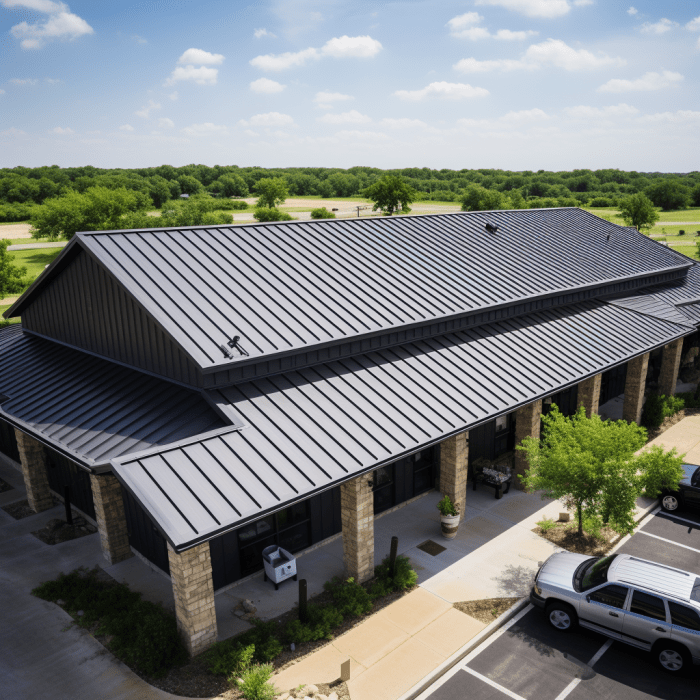
Source: treehouseinternetgroup.com
Installing metal roofing and siding requires careful planning and execution to ensure a durable, weather-resistant, and aesthetically pleasing outcome. This section details the steps involved, compares different installation methods, and provides cost estimates and best practices for ventilation and waterproofing.
Step-by-Step Metal Roofing and Siding Installation
Proper installation begins with thorough preparation. This includes accurate measurements, material selection appropriate for the climate and building style, and ensuring all necessary tools and safety equipment are readily available. A typical installation follows these steps:
- Preparation: Inspect the existing structure for damage, ensuring a solid and level base for the new roofing or siding. Clean the surface of debris, and address any necessary repairs to the underlying structure.
- Framing/Sheathing (if necessary): For new construction or significant repairs, install appropriate framing and sheathing to create a level surface for the metal panels. Ensure proper spacing and fastening according to building codes.
- Underlayment (for roofing): Apply a waterproof underlayment membrane over the sheathing to provide an additional layer of protection against moisture penetration. This is crucial for preventing leaks.
- Fastening: Install the metal panels, ensuring proper overlap and alignment. Use appropriate fasteners, following manufacturer’s recommendations for spacing and type. Fasteners should be corrosion-resistant and appropriate for the metal type.
- Flashing: Install flashing around chimneys, vents, and other penetrations in the roof or wall to prevent water infiltration. Flashing should be properly sealed to ensure a watertight seal.
- Trim and Accessories: Install trim pieces, gutters, downspouts, and other accessories to complete the installation. These elements enhance the appearance and functionality of the system.
- Final Inspection: Conduct a thorough inspection to ensure proper installation, checking for leaks, alignment issues, and damaged panels.
Necessary Tools and Safety Precautions
Safety is paramount during metal roofing and siding installation. Personal Protective Equipment (PPE) is essential, including safety glasses, gloves, hard hats, and fall protection harnesses (especially for roof work). Necessary tools include: measuring tapes, levels, tin snips, drills, rivet guns (or appropriate fasteners), and specialized tools depending on the chosen metal roofing profile. Always follow manufacturer instructions and local building codes.
Comparison of Installation Methods for Different Metal Roofing Profiles
Different metal roofing profiles require variations in installation techniques.
- Standing Seam: Standing seam metal roofing involves interlocking panels with a raised seam. Installation typically uses concealed fasteners, providing a clean, leak-resistant finish. Special tools may be required for seam closure.
- Corrugated: Corrugated metal roofing uses panels with a ribbed profile. Installation is generally simpler than standing seam, often using exposed fasteners. Proper fastener placement is crucial to prevent leaks.
- Ribbed: Similar to corrugated, ribbed metal roofing has a series of parallel ridges. Installation is straightforward, often involving overlapping panels and exposed fasteners.
Installation Cost Comparison of Different Metal Roofing and Siding Systems
Costs vary based on material selection, labor rates, and project complexity. The following table provides estimated costs per square foot; actual costs may vary significantly depending on location and project specifics.
| Material | Installation Cost per sq ft | Labor Cost per sq ft | Total Cost per sq ft |
|---|---|---|---|
| Standing Seam Steel | $3-6 | $4-8 | $7-14 |
| Corrugated Steel | $2-4 | $3-6 | $5-10 |
| Aluminum Siding | $1-3 | $2-5 | $3-8 |
| Zinc Roofing | $8-15 | $6-12 | $14-27 |
Best Practices for Ventilation and Waterproofing
Proper ventilation is crucial to prevent moisture buildup and extend the lifespan of the metal roofing and siding. Adequate ventilation should be provided at the soffit and ridge, allowing for airflow beneath the roofing system. Waterproofing is achieved through proper flashing installation, seam sealing, and the use of a waterproof underlayment (for roofing). Regular inspections are recommended to identify and address any potential issues early on.
Design Considerations and Aesthetics: All Metal Roofing And Siding
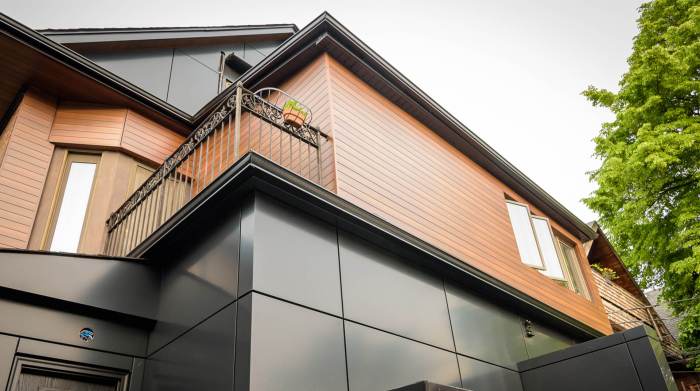
Source: gnmcusa.com
Metal roofing and siding offer a remarkable range of design possibilities, moving beyond the traditional image of purely functional materials. Careful consideration of color, finish, architectural style, and integration with other exterior elements can create a stunning and unique aesthetic for any home. The versatility of metal allows for both modern and classic designs, offering homeowners significant creative freedom.
Color and Finish Options
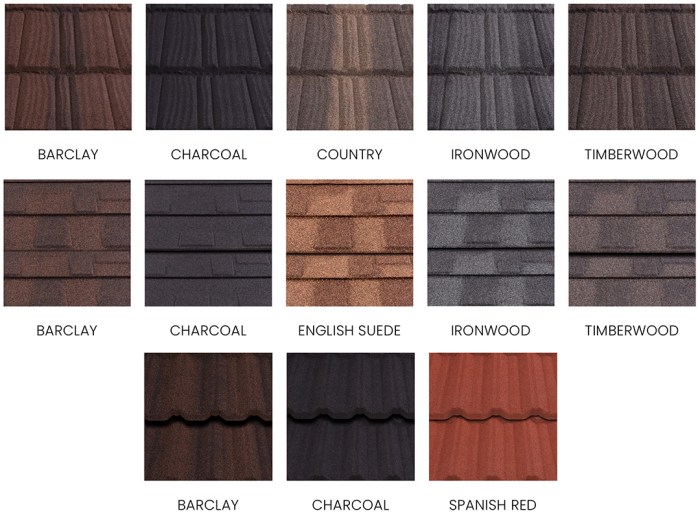
Metal roofing and siding are available in a vast array of colors and finishes. These options allow for precise matching with existing architectural styles or the creation of entirely new and striking visual effects. Popular color choices range from classic earth tones to vibrant shades, and finishes can enhance durability and visual appeal. Consider factors such as climate and sunlight exposure when selecting a color and finish to maximize the lifespan and aesthetic quality of your metal roofing and siding. For example, darker colors absorb more heat, which can be a consideration in hotter climates. Conversely, lighter colors reflect more sunlight, potentially reducing energy costs. Finishes like matte, gloss, and textured options offer different visual effects and levels of reflectivity.
Architectural Styles Suited for Metal Roofing and Siding
Metal roofing and siding complement a surprisingly wide range of architectural styles. Its adaptability makes it suitable for everything from rustic farmhouses to sleek contemporary homes. The clean lines of metal siding can accentuate the modern aesthetic of a minimalist design, while the durability and longevity of metal roofing can enhance the charm of a traditional Victorian home. Furthermore, metal can easily mimic the appearance of other materials, such as wood shake or tile, offering a low-maintenance alternative to these more traditional choices. For example, a standing seam metal roof can create a sophisticated look suitable for a Craftsman-style home, while corrugated metal siding can complement a more industrial or modern aesthetic.
Integration with Exterior Design Elements
The seamless integration of metal roofing and siding with other exterior design elements is crucial for a cohesive and visually appealing outcome. Careful consideration of color coordination, material contrasts, and overall design harmony is key.
- Windows: Metal siding can be expertly coordinated with window frames to create a unified look. For instance, dark bronze metal siding can complement black window frames, producing a sharp, modern aesthetic. Conversely, lighter-colored metal siding might pair well with white or light-colored window frames, creating a brighter, more airy feel.
- Doors: The interplay between the metal siding and the front door can significantly impact the overall curb appeal. A bold, contrasting door color can create a focal point, while a more subdued color can blend seamlessly with the siding. For example, a vibrant red door can stand out against neutral-toned metal siding, creating a welcoming and eye-catching entrance.
- Trim: Metal trim, in various colors and profiles, can add visual interest and highlight architectural details. Matching the trim color to the siding creates a streamlined look, while contrasting colors can draw attention to specific features. For example, using white or cream-colored trim against dark gray metal siding can create a classic and elegant look.
Utilizing Metal Panel Profiles and Sizes for Design Effects
Different metal panel profiles and sizes offer a spectrum of aesthetic possibilities, influencing the overall visual impact of the home’s exterior. Choosing the right profile and size can create a dramatic effect, emphasizing certain architectural features or establishing a distinct design style.
- Standing seam panels, with their clean, vertical lines, create a sophisticated and modern appearance, often associated with contemporary or minimalist designs. Larger panel sizes enhance the sleek, uncluttered look.
- Corrugated panels offer a more rustic or industrial feel, suitable for farmhouses, barns, or modern industrial-style homes. The size and spacing of the corrugations can influence the overall texture and visual weight.
- Ribbed panels provide a more subtle texture than corrugated panels, offering a balance between a clean look and visual interest. They are versatile and can be used in various architectural styles.
Cost Analysis and Budgeting
Source: eriehome.com
Choosing roofing and siding materials involves a significant financial commitment. A thorough cost analysis, considering both initial investment and long-term expenses, is crucial for making an informed decision. This section will break down the costs associated with metal roofing and siding, comparing them to other options and highlighting potential savings.
Comparison of Initial Costs
The initial cost of roofing and siding materials varies significantly depending on the material chosen, its quality, and the complexity of the installation. Metal roofing and siding often have a higher upfront cost compared to asphalt shingles or vinyl siding, but this is often offset by their longer lifespan and lower maintenance requirements. The following table provides a general comparison, noting that actual costs can fluctuate based on location, supplier, and project specifics. These figures are estimates and should be verified with local suppliers.
| Material | Initial Cost per sq ft | Lifespan (Years) | Approximate Annualized Cost (Cost/Lifespan) |
|---|---|---|---|
| Asphalt Shingles | $1.50 – $3.00 | 15-20 | $0.075 – $0.20 |
| Vinyl Siding | $4.00 – $8.00 | 20-30 | $0.13 – $0.40 |
| Metal Roofing | $5.00 – $12.00 | 50-75 | $0.067 – $0.24 |
| Metal Siding | $6.00 – $15.00 | 40-60 | $0.10 – $0.375 |
Factors Influencing Overall Installation Cost, All metal roofing and siding
Several factors contribute to the overall cost of installing metal roofing and siding. Labor costs represent a significant portion of the total expense, varying depending on the complexity of the project, the size of the roof or wall area, and the installer’s experience and location. Material costs are influenced by the type of metal (steel, aluminum, copper, zinc), gauge thickness, finish (color, texture), and any additional features like insulation. The project’s complexity, including the roof’s pitch, existing structure conditions, and the need for specialized equipment or techniques, will also impact the overall cost. For instance, a complex, multi-gabled roof will be more expensive to install than a simple, single-slope roof.
Long-Term Cost Savings
While the initial investment in metal roofing and siding might be higher, the long-term cost savings can be substantial. Metal roofs are highly durable and resistant to damage from extreme weather conditions, such as hail, high winds, and heavy snow. This reduces the need for frequent repairs and replacements, minimizing long-term maintenance costs. Furthermore, metal roofing and siding can significantly improve energy efficiency by reflecting sunlight and reducing heat transfer, resulting in lower energy bills. The reduced maintenance and energy savings can offset the higher initial cost over the material’s lifespan. For example, a homeowner might save hundreds of dollars annually on energy costs compared to a house with asphalt shingles.
Financing Options
Several financing options are available to help manage the cost of metal roofing and siding projects. Home improvement loans, specifically designed for home renovations, are commonly used. These loans offer fixed interest rates and predictable monthly payments, making budgeting easier. Many roofing and siding contractors also offer financing plans directly, potentially offering flexible payment terms. Additionally, some homeowners may be able to use a home equity line of credit (HELOC) or refinance their mortgage to include the cost of the project. It’s essential to compare interest rates and repayment terms from different lenders to find the most suitable option.
Environmental Impact and Sustainability
Metal roofing and siding offer a compelling combination of durability and longevity, but their environmental impact is a crucial consideration for environmentally conscious builders and homeowners. Understanding the lifecycle of these materials—from manufacturing to disposal—is essential for making informed decisions about sustainability. This section will explore the environmental footprint of metal roofing and siding, comparing it to traditional materials and highlighting sustainable practices throughout the process.
Recyclability and Environmental Footprint of Metal Roofing and Siding Materials
The recyclability of metal roofing and siding materials significantly reduces their environmental footprint. Steel, aluminum, and copper are all highly recyclable materials. Steel, in particular, boasts a remarkably high recycling rate, often exceeding 90%. This means that at the end of a roof’s lifespan, the material can be melted down and reused in new products, minimizing waste sent to landfills. Aluminum also exhibits high recyclability, with minimal energy required for reprocessing compared to primary aluminum production. Copper, known for its longevity and resistance to corrosion, is also easily recyclable and maintains its value over time. However, the environmental impact of metal roofing also depends on the manufacturing process, energy consumption during production, and transportation distances. For instance, the energy used in the extraction and processing of raw materials varies depending on the metal and its source.
Energy Efficiency of Metal Roofing and Siding Compared to Traditional Materials
Metal roofing and siding contribute to energy efficiency in several ways, offering advantages over traditional materials like asphalt shingles or wood siding. Their high reflectivity, often measured by solar reflectance index (SRI), reduces heat absorption, leading to lower cooling costs in warmer climates. The superior thermal properties of metal also help maintain a more stable indoor temperature, reducing the need for both heating and cooling. For example, a cool metal roof can significantly reduce the “heat island effect” in urban areas, contributing to a cooler overall environment. Studies have shown that metal roofs can reduce energy consumption by up to 40% compared to traditional roofing materials, depending on climate, building design, and insulation levels.
Impact of Metal Roofing and Siding on Stormwater Runoff and Water Management
Metal roofing and siding can influence stormwater runoff and water management. The smooth, non-porous surface of metal roofs minimizes water absorption, leading to increased runoff. This can potentially increase the volume and velocity of stormwater, potentially contributing to flooding in areas with inadequate drainage systems. However, this increased runoff can be managed effectively through proper design and installation of rainwater harvesting systems. These systems can collect rainwater from the roof for later use in irrigation or other non-potable applications, mitigating the negative impacts of increased runoff. Furthermore, the durability and longevity of metal roofing reduce the need for frequent replacements, thereby minimizing the waste associated with traditional roofing materials and their associated environmental impacts.
Sustainable Practices in the Manufacturing, Installation, and Disposal of Metal Roofing and Siding
Sustainable practices are crucial throughout the lifecycle of metal roofing and siding. Manufacturers are increasingly adopting environmentally friendly processes, such as reducing energy consumption in production, using recycled materials, and minimizing waste generation. During installation, minimizing material waste and using environmentally friendly fasteners are important considerations. Proper disposal and recycling at the end of the roof’s lifespan are critical to ensuring the overall sustainability of the material. Examples include working with certified recyclers to ensure materials are properly processed and reused, and participating in programs that incentivize recycling of metal roofing and siding materials. Furthermore, choosing locally sourced materials can reduce transportation emissions and support local economies. A commitment to sustainable practices across the entire lifecycle of metal roofing and siding is key to maximizing its environmental benefits.
End of Discussion
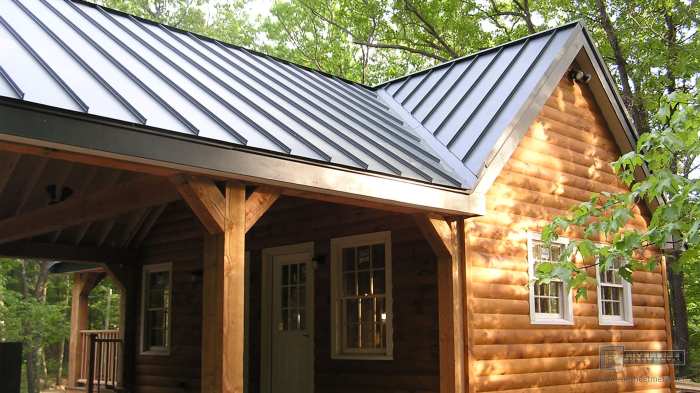
Source: riversidesheetmetal.net
Choosing all metal roofing and siding represents a significant investment, but the long-term benefits in durability, energy efficiency, and aesthetic appeal often outweigh the initial costs. By carefully considering the various factors discussed—material properties, installation methods, design options, and budget—you can make an informed decision that best suits your needs and preferences. Remember to consult with qualified professionals for accurate cost estimations and proper installation to ensure optimal performance and longevity of your new metal roof and siding.
Questions and Answers
What is the average lifespan of a metal roof?
The lifespan of a metal roof varies depending on the material and climate, but generally ranges from 50 to 75 years, significantly longer than asphalt shingles.
Can metal roofing be installed over existing shingles?
In some cases, yes. However, it depends on the condition of the existing roof and the type of metal roofing being installed. A professional assessment is crucial before proceeding.
How much does metal roofing and siding cost compared to other materials?
The initial cost of metal roofing is typically higher than asphalt shingles but lower than some other high-end options like slate or tile. However, the longer lifespan often results in lower long-term costs.
Is metal roofing noisy during rain or hail?
Proper installation, including adequate underlayment and insulation, can significantly minimize noise. Some metal roofing types are quieter than others.
How do I clean my metal roof and siding?
Regular cleaning involves using a soft-bristled brush and water. Avoid harsh chemicals. For stubborn stains, consult a professional.