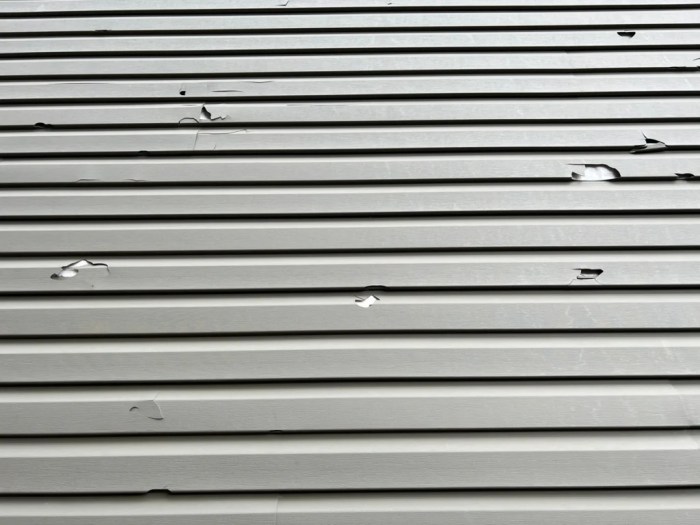
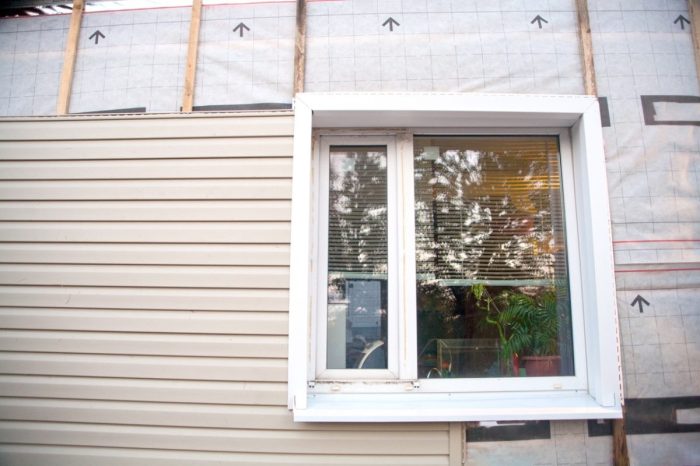
Inexpensive Exterior Siding A Homeowners Guide
Inexpensive exterior siding offers a fantastic way to enhance your home’s curb appeal without breaking the bank. This guide explores various budget-friendly siding options, detailing their costs, installation, maintenance, and aesthetic considerations. We’ll delve into the pros and cons of each material, helping you make an informed decision that balances cost-effectiveness with durability and style. Whether you’re a seasoned DIYer or a first-time homeowner, this comprehensive resource provides the knowledge you need to transform your home’s exterior.
From choosing the right material to understanding installation techniques and potential maintenance issues, we’ll cover everything you need to know. We’ll compare different siding types, highlighting their unique characteristics and helping you select the best option for your home’s architectural style and your budget. Get ready to explore the world of affordable exterior siding and discover the perfect solution for your next home improvement project!
Types of Inexpensive Exterior Siding
Choosing the right exterior siding can significantly impact your home’s curb appeal and longevity. This section details five common, budget-friendly siding options, comparing their durability, maintenance needs, and overall cost-effectiveness. Remember that prices can vary depending on location, material quality, and labor costs.
Inexpensive Siding Material Comparison
Selecting the best siding material for your home involves weighing the initial cost against long-term maintenance and lifespan. The following table provides a general overview of five popular choices.
| Material | Cost Range (per square foot) | Pros | Cons |
|---|---|---|---|
| Vinyl Siding | $1-$5 | Low maintenance, durable, variety of colors and styles, relatively easy installation. | Can fade or become brittle in extreme temperatures, susceptible to damage from strong impacts, less environmentally friendly than some alternatives. |
| Fiber Cement Siding | $2-$8 | Durable, fire-resistant, low maintenance, resists rot and insects. | More expensive than vinyl, can be more challenging to install, requires more care during installation to prevent cracking. |
| Aluminum Siding | $1-$4 | Lightweight, durable, resists rot and insects, relatively easy to install and maintain. | Can dent easily, prone to scratches, limited color options compared to vinyl, can be noisy in high winds. |
| Engineered Wood Siding | $2-$6 | More durable and weather-resistant than natural wood, variety of styles and finishes, relatively easy installation. | More expensive than vinyl, can still be susceptible to moisture damage if not properly installed and maintained, less fire-resistant than fiber cement. |
| Hardboard Siding | $1-$3 | Affordable, paintable, relatively easy to install. | Susceptible to moisture damage, requires regular painting to maintain appearance, less durable than other options. |
Durability and Lifespan of Inexpensive Siding
The lifespan of exterior siding varies greatly depending on the material, climate, and quality of installation. Vinyl siding, for example, typically lasts 20-30 years, while fiber cement can last 50 years or more with proper maintenance. Aluminum siding is also quite durable, often lasting 30-50 years. Engineered wood siding’s lifespan can range from 20-40 years, whereas hardboard siding usually requires replacement every 10-15 years due to its susceptibility to moisture damage. Harsh weather conditions, such as intense sun exposure, freezing temperatures, and heavy rainfall, can shorten the lifespan of all siding materials.
Maintenance Requirements for Inexpensive Siding, Inexpensive exterior siding
Regular maintenance is crucial to extend the life of your siding and maintain your home’s curb appeal. Vinyl siding typically requires only occasional cleaning with soap and water. Fiber cement may require occasional power washing, but should be handled with care to avoid damage. Aluminum siding can be cleaned similarly to vinyl. Engineered wood siding may need repainting every 5-10 years depending on the climate and exposure. Hardboard siding requires more frequent painting, potentially every 3-5 years, due to its vulnerability to moisture. Repair costs vary depending on the extent of the damage and the material; for example, replacing a damaged vinyl panel is relatively inexpensive compared to repairing a large section of fiber cement siding. Proactive maintenance, such as addressing minor damage promptly, can significantly reduce the need for expensive repairs or premature replacement.
Installation Methods and Costs
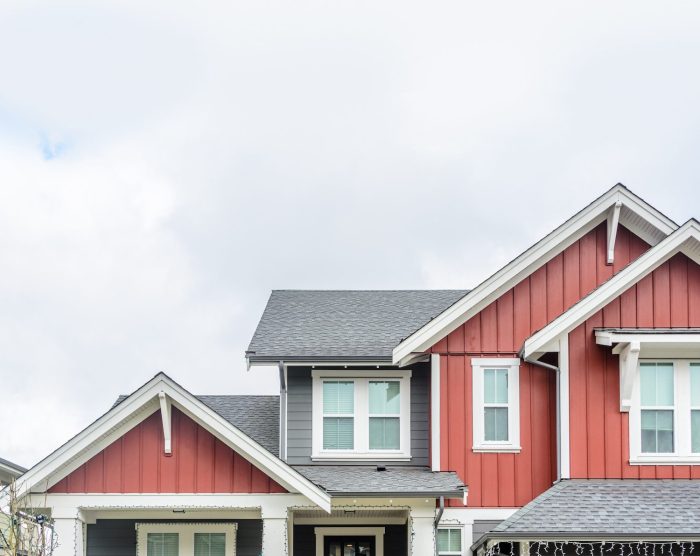
Source: dreamworxexteriors.com
Choosing the right exterior siding involves understanding not only the material but also the installation process and associated costs. Proper installation is crucial for ensuring the longevity and effectiveness of your siding, protecting your home from the elements, and maintaining its aesthetic appeal. This section will detail the installation of vinyl siding as an example, and then compare the overall costs of different siding options.
Vinyl Siding Installation
Installing vinyl siding is a relatively straightforward process, often manageable for DIYers with some experience in home improvement. However, safety should always be prioritized. The following steps Artikel a typical installation, but always consult the manufacturer’s instructions for your specific product.
- Preparation: Begin by measuring the area to be sided and purchasing sufficient materials, including vinyl siding panels, J-channel, starter strips, corner trims, and finishing pieces. Ensure you have the necessary tools, including a measuring tape, level, utility knife, circular saw (for cutting siding), hammer, and safety glasses.
- Safety Precautions: Wear appropriate safety gear, including safety glasses and work gloves. Use caution when working at heights, employing ladders and safety harnesses as needed. Always disconnect power to any electrical outlets or wiring near the work area.
- Framing and Sheathing: Ensure the underlying wall sheathing is sound and free of rot or damage. Repair any issues before starting siding installation. This step is crucial for a long-lasting and effective installation.
- Installing the Starter Strip: Install the starter strip along the bottom edge of the wall, ensuring it is level. This provides a base for the first row of siding panels.
- Installing the First Row of Siding: Slide the first row of vinyl siding panels into the starter strip, ensuring they are flush and level. Overlap the panels as per the manufacturer’s instructions.
- Installing Subsequent Rows: Continue installing rows of siding, overlapping each panel with the one below. Use J-channel for corners and around windows and doors.
- Finishing: Install finishing pieces such as J-channel, corner trims, and soffit vents to complete the installation. Ensure all pieces are securely fastened and aligned.
Cost Comparison of Different Siding Types
The cost of exterior siding varies significantly depending on the material chosen and the size of the house. Labor costs can also fluctuate based on location and contractor expertise. Generally, vinyl siding is the most affordable option, followed by engineered wood, with fiber cement being the most expensive. This cost difference is primarily due to material cost, durability, and installation complexity. For example, fiber cement requires more precise cutting and installation techniques, increasing labor costs.
Cost Breakdown for a 1000 sq ft House
The following table provides a simplified cost estimate for a 1000 sq ft house, factoring in material, labor, and permit costs. These figures are estimates and can vary depending on location, material quality, and contractor rates. Always obtain multiple quotes from reputable contractors.
| Material | Labor | Permits | Total |
|---|---|---|---|
| Vinyl Siding: $2,000 – $4,000 | $3,000 – $6,000 | $300 – $500 | $5,300 – $10,500 |
| Engineered Wood Siding: $4,000 – $8,000 | $4,000 – $8,000 | $300 – $500 | $8,300 – $16,500 |
| Fiber Cement Siding: $8,000 – $16,000 | $6,000 – $12,000 | $300 – $500 | $14,300 – $28,500 |
Aesthetic Considerations
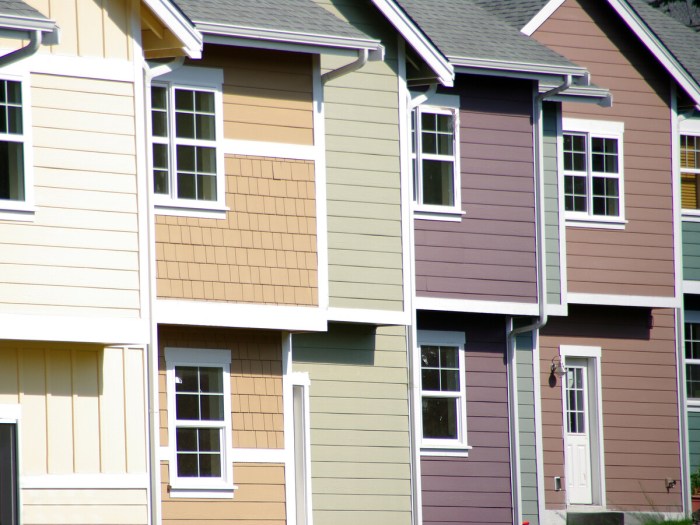
Choosing inexpensive siding doesn’t mean sacrificing curb appeal. A wide variety of colors, styles, and textures are available, allowing you to create a visually appealing and attractive home exterior without breaking the bank. Careful consideration of the siding’s aesthetic impact can significantly enhance your home’s overall value and character.
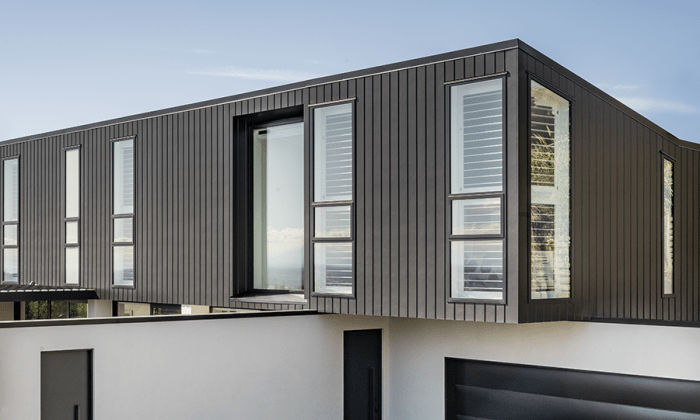
The visual impact of your siding choice extends beyond simple color selection. Different materials offer distinct textures and patterns, influencing how light reflects off the surface and creating a unique aesthetic. This can subtly or dramatically alter the perceived size and proportions of your home.
Color and Style Options for Inexpensive Siding
Inexpensive siding materials, such as vinyl, fiber cement, and engineered wood, offer a surprisingly broad range of color and style options. This allows for considerable flexibility in matching your home’s aesthetic to your personal preferences and the surrounding neighborhood.
- Vinyl Siding: Available in a vast array of colors, from classic white and beige to bold reds, blues, and greens. Many manufacturers also offer siding that mimics the look of wood grain, stone, or brick.
- Fiber Cement Siding: Often comes in a more limited palette of earth tones and neutral colors, but still offers a range of options. The textured surface of fiber cement siding contributes significantly to its aesthetic appeal.
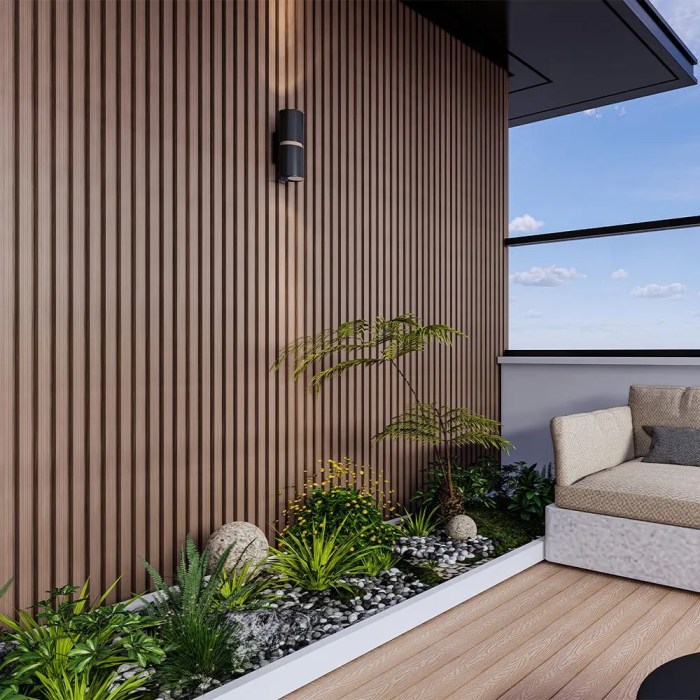
- Engineered Wood Siding: This material offers a natural wood look, often in shades of brown, gray, and beige. The natural variations in color and grain contribute to a rustic or traditional aesthetic.
Impact of Siding Material on Curb Appeal
The choice of siding material significantly influences the overall curb appeal of a home. Different materials project different impressions, affecting the perceived value and style of the property.
For instance, vinyl siding, while affordable, can sometimes appear less sophisticated than other materials if not carefully chosen. However, high-quality vinyl siding with realistic wood grain textures can create a surprisingly upscale look. Conversely, fiber cement siding, known for its durability and longevity, often projects a more substantial and refined image. Engineered wood siding offers a warm, inviting feel, reminiscent of traditional homes.
Siding Material and Architectural Style
The best siding choice complements the architectural style of the house, enhancing its inherent charm. Here are some examples of how different siding materials can work with various architectural styles:
A Victorian home, with its intricate details and ornate trim, would be beautifully complemented by fiber cement siding painted in a deep, rich color such as dark green or burgundy. The textured surface of the fiber cement would add depth and visual interest, while the dark color would highlight the architectural details.
A Ranch-style home, known for its simple, low-profile design, would be well-suited to vinyl siding in a light, neutral color such as beige or gray. This would maintain the home’s clean lines and create a sense of spaciousness. Adding subtle wood-grain texture to the vinyl could enhance the home’s warmth and appeal.
A Craftsman-style home, characterized by its handcrafted details and natural materials, would benefit from engineered wood siding in a natural wood tone. The natural variations in color and grain would enhance the home’s rustic charm and complement the overall aesthetic.
Environmental Impact
Choosing exterior siding involves more than just aesthetics and cost; it also carries significant environmental implications. The manufacturing process, material sourcing, energy consumption during production and installation, and ultimately, the siding’s end-of-life recyclability all contribute to its overall environmental footprint. Understanding these factors is crucial for making an informed and sustainable choice.
The environmental impact of different siding materials varies considerably. Factors such as the embodied energy (the total energy required to extract, process, manufacture, transport, and install the material), greenhouse gas emissions during production, and the material’s recyclability all play a significant role. We will examine these factors for common inexpensive siding options to help you assess their long-term sustainability.
Vinyl Siding Environmental Impact
Vinyl siding, while inexpensive and low-maintenance, carries a significant environmental burden. Its production relies heavily on fossil fuels, resulting in high greenhouse gas emissions. The primary component, polyvinyl chloride (PVC), is derived from petroleum and requires substantial energy to manufacture. Furthermore, vinyl siding is not readily biodegradable and has a low recycling rate. Landfill space is often consumed by discarded vinyl siding. While some recycling initiatives exist, they are limited in scope and availability. The long-term sustainability of vinyl siding is therefore questionable. For example, a study by the University of California, Berkeley, found that the manufacturing process of vinyl siding produces significantly more greenhouse gases compared to wood siding.
Wood Siding Environmental Impact
Wood siding, especially when sourced from sustainably managed forests, presents a more environmentally friendly alternative. While the manufacturing process still consumes energy, the embodied carbon in wood is generally lower than that of vinyl. Moreover, wood is a renewable resource, and responsible forestry practices can minimize its environmental impact. However, the environmental impact of wood siding depends heavily on its source. Siding from old-growth forests or those harvested unsustainably contributes significantly to deforestation and biodiversity loss. The treatment of wood with chemical preservatives can also introduce additional environmental concerns. Therefore, opting for sustainably sourced and certified wood siding (like FSC-certified wood) is essential for minimizing its negative environmental impact.
Fiber Cement Siding Environmental Impact
Fiber cement siding offers a balance between environmental performance and cost-effectiveness. It is made from a composite of cement, cellulose fibers, and other additives. While its manufacturing process does require energy, the embodied carbon is generally lower than that of vinyl siding. Moreover, fiber cement siding is durable and long-lasting, reducing the need for frequent replacements. However, its production does involve the use of cement, which contributes to greenhouse gas emissions. Furthermore, disposal can be challenging as it is not readily recyclable. Despite this, the longer lifespan of fiber cement siding compared to vinyl can reduce its overall environmental impact over its lifetime. Consideration of the transportation distances from the manufacturing plant to the construction site is also important, as transportation emissions contribute to the total carbon footprint.
Comparing Carbon Footprints: Vinyl vs. Wood
Direct comparison of vinyl and wood siding’s carbon footprints requires considering several variables, including the specific manufacturing processes, transportation distances, and wood sourcing practices. However, studies generally indicate that vinyl siding has a significantly higher carbon footprint than sustainably sourced wood siding. This is primarily due to the high energy consumption and greenhouse gas emissions associated with PVC production. While wood harvesting can contribute to deforestation, responsible forestry practices can mitigate this impact. In contrast, the fossil fuel dependence of vinyl siding makes it a less sustainable choice from a carbon footprint perspective. Life cycle assessments (LCAs) provide a more comprehensive comparison by evaluating the environmental impacts throughout the entire product life cycle, from cradle to grave. These LCAs often demonstrate the superior environmental performance of responsibly sourced wood siding over vinyl siding.
Long-Term Sustainability of Inexpensive Siding Options
The long-term sustainability of inexpensive siding options depends on a combination of factors, including their durability, recyclability, and the environmental impact of their manufacturing process. Wood siding, when sourced sustainably, offers a higher degree of long-term sustainability due to its renewable nature and potential for biodegradability. Fiber cement siding also exhibits relatively good long-term sustainability due to its durability and reduced need for replacement. In contrast, vinyl siding’s low recyclability and high carbon footprint make it less sustainable in the long run. Ultimately, the most sustainable option will depend on various factors, including regional availability, responsible sourcing, and local recycling infrastructure.
Potential Problems and Solutions
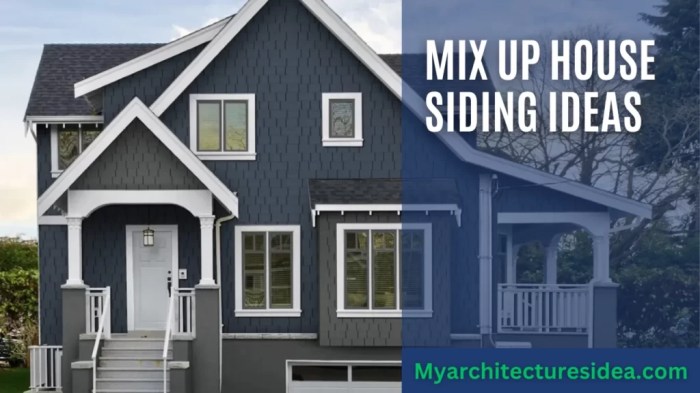
Source: myarchitecturesidea.com
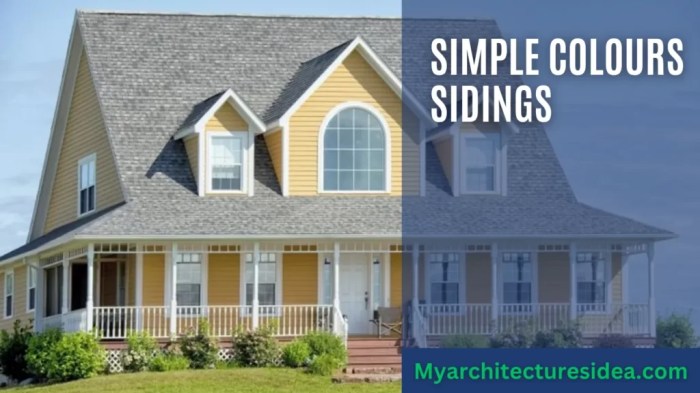
Choosing inexpensive exterior siding can lead to long-term savings, but it’s crucial to understand the potential drawbacks and how to mitigate them. Inexpensive materials are often more susceptible to damage and require proactive maintenance to ensure their longevity and aesthetic appeal. This section will Artikel common problems and provide practical solutions for addressing them.
Warpage and Cracking
Warpage and cracking are common issues, particularly with vinyl and wood siding. These problems often stem from improper installation, exposure to extreme temperature fluctuations, and inadequate moisture control. Vinyl siding can warp due to intense heat causing expansion, while wood siding can crack due to drying and shrinking. Preventing warpage and cracking requires careful installation, ensuring proper ventilation behind the siding to prevent moisture buildup, and selecting materials appropriate for the climate. Repairing warped vinyl siding often involves replacing damaged panels, while cracked wood siding might require patching with wood filler or replacing individual planks. In both cases, ensuring a tight seal around the repaired area is essential to prevent further moisture ingress.
Fading and Discoloration
Exposure to sunlight can cause inexpensive siding materials, especially lighter colors, to fade over time. This is particularly noticeable with vinyl and painted wood siding. To minimize fading, consider using siding with UV-resistant properties or applying a protective sealant regularly. Regular cleaning can also help remove dirt and grime that can accelerate fading. For severely faded vinyl siding, repainting may not be effective, and replacement may be the best solution. For painted wood siding, repainting every few years can restore its original color and protect it from further fading. Choosing darker colors can also help reduce the visibility of fading.
Pest Infestation
Wood siding is susceptible to pest infestation, such as termites and carpenter ants. Regular inspection for signs of infestation, such as mud tubes (termites) or sawdust (carpenter ants), is crucial. Preventive measures include proper ventilation to reduce moisture, using pest-resistant wood treatments, and maintaining a clean and dry environment around the house. Addressing an infestation requires professional pest control services. For less severe infestations, targeted treatment of affected areas may suffice, but larger infestations often necessitate complete replacement of affected siding sections.
Moisture Damage
Moisture damage can manifest in various ways depending on the siding material. With wood siding, it might appear as rot, swelling, or discoloration. In vinyl siding, it can lead to warping, cracking, or the growth of mold and mildew. Proper flashing and caulking around windows and doors are crucial to prevent water penetration. Adequate ventilation behind the siding is also vital for allowing moisture to escape. Addressing moisture damage involves removing affected sections of siding, allowing the underlying structure to dry completely, and then replacing the damaged areas with new siding. Applying a water-resistant sealant can help prevent future moisture damage. For extensive moisture damage, it might be necessary to address underlying structural issues, such as leaky roofs or damaged gutters, before replacing the siding.
End of Discussion: Inexpensive Exterior Siding
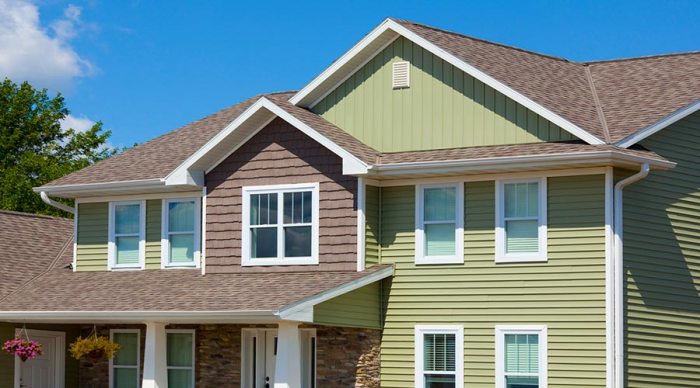
Source: homeinspectioninsider.com
Ultimately, selecting inexpensive exterior siding involves careful consideration of factors beyond just the initial cost. Durability, maintenance requirements, aesthetic appeal, and environmental impact all play crucial roles in making the right choice. By weighing the pros and cons of each material presented in this guide, and considering your home’s specific needs and your personal preferences, you can confidently choose a siding option that enhances your home’s beauty and value for years to come. Remember to factor in long-term costs, including repairs and potential replacements, to ensure your investment remains budget-friendly in the long run.
FAQ Corner
What is the average lifespan of inexpensive siding?
Lifespans vary greatly depending on the material and climate. Vinyl siding can last 20-30 years, while fiber cement may last 50 years or more. Proper maintenance significantly impacts longevity.
Can I install inexpensive siding myself?
While some materials are DIY-friendly (like vinyl), others require professional installation for optimal results and warranty coverage. Always assess your skill level before attempting a DIY installation.
How do I clean different types of inexpensive siding?
Cleaning methods vary. Vinyl siding usually requires a simple wash with soap and water. Fiber cement might need a pressure washer (carefully!). Always check the manufacturer’s recommendations.
What are the common signs of siding damage?
Look for cracks, warping, discoloration, loose panels, and signs of insect infestation. Address any damage promptly to prevent further problems.
What permits are typically required for siding installation?
Permit requirements vary by location. Check with your local building department before starting any work. Failing to obtain necessary permits can lead to fines.