Meranti Wood A Comprehensive Guide
Meranti wood, a prominent hardwood sourced from Southeast Asia, offers a captivating blend of beauty and practicality. This versatile timber, encompassing numerous species with varying properties, finds extensive use in construction, furniture crafting, and various other applications. Understanding the diverse characteristics of Meranti wood – from its distinct grain patterns and rich color variations to its sustainability considerations and market trends – is key to appreciating its value and responsible utilization. This guide delves into the fascinating world of Meranti wood, providing a detailed exploration of its identification, applications, sourcing, properties, and care.
We’ll explore the different species of meranti, comparing their hardness, durability, and work-ability. We will also discuss sustainable sourcing practices, proper treatment methods to enhance longevity, and the current market trends influencing its price. Finally, we’ll cover finishing and care techniques to ensure your meranti wood projects remain beautiful for years to come. Prepare to discover the rich story behind this remarkable wood.
Meranti Wood Species Identification
Source: co.uk
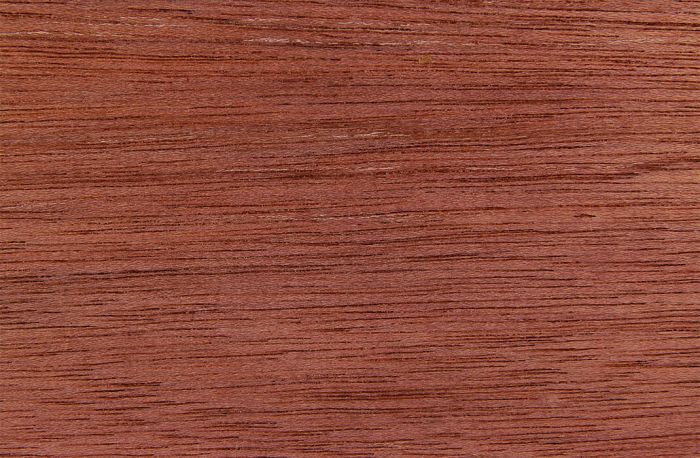
Meranti, a commercially important hardwood lumber, encompasses numerous species belonging to the genus *Shorea* and other related genera within the Dipterocarpaceae family. Accurate identification is crucial for selecting the appropriate wood for specific applications, as properties vary significantly between species. This section will explore the key characteristics used to differentiate various Meranti species.
Meranti Species and their Properties
Several *Shorea* species are commonly grouped under the commercial name “Meranti.” While precise identification often requires microscopic analysis, certain macroscopic characteristics provide useful clues. These include color variations, grain patterns, and density. For example, some species exhibit a reddish-brown hue, while others lean towards yellowish or pinkish tones. Grain patterns can range from straight to interlocked, influencing the wood’s appearance and work ability. Density, often expressed as weight per unit volume, directly impacts the wood’s strength and durability.
Comparative Properties of Selected Meranti Species
The following table compares the Janka hardness, durability, and workability of five common Meranti species. Note that values can vary depending on factors such as growth conditions and specific location. These values represent average ranges.
| Species (Scientific Name) | Common Name | Janka Hardness (lbs) | Durability (Resistance to Decay) | Workability |
|---|---|---|---|---|
| Shorea leprosula | Red Meranti | 1100-1300 | Moderate | Good |
| Shorea agallocha | Dark Red Meranti | 1200-1400 | Moderate to High | Moderate |
| Shorea pauciflora | Light Red Meranti | 900-1100 | Moderate | Good |
| Shorea ovalis | Yellow Meranti | 800-1000 | Moderate | Good |
| Shorea robusta | Sal | 1000-1200 | High | Moderate |
Note: Janka hardness measures the resistance of wood to denting and wear. Durability refers to resistance to decay and insect attack. Workability indicates ease of machining, shaping, and finishing. These are general classifications, and specific properties can vary within each species.
Meranti Wood Uses and Applications
Source: madar.com
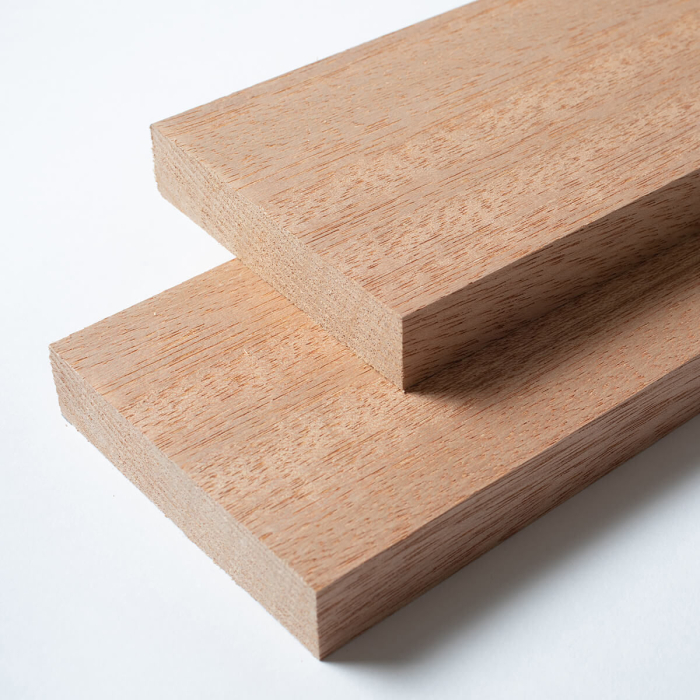
Meranti wood, encompassing a wide variety of species within the Shorea genus, finds extensive use across diverse industries due to its versatility and relatively affordable price. Its properties, which vary slightly depending on the specific species, make it suitable for a broad range of applications, from structural components in construction to elegant pieces of furniture. Understanding these properties and their implications for different applications is key to selecting the appropriate Meranti species for a given project.
Meranti wood’s applications are heavily influenced by its characteristics, such as strength, durability, and workability. Generally, Meranti is known for its moderate strength and stiffness, making it suitable for many structural applications, while its relatively easy workability makes it a popular choice for furniture and joinery. However, some species are more durable and resistant to decay than others, impacting their suitability for outdoor or high-moisture environments.
Meranti Wood in Construction
Meranti’s strength and relatively low cost make it a common choice for various construction applications. It’s frequently used in structural elements like beams, joists, and flooring in both residential and commercial buildings. The specific Meranti species used often depends on the structural requirements of the project and the desired level of durability. Heavier, denser species might be preferred for load-bearing applications, while lighter species could be suitable for less demanding structural components. Its use in interior trim, doors, and window frames is also widespread, taking advantage of its ease of machining and finishing.
Meranti Wood in Furniture Making
Meranti’s attractive appearance and workability contribute to its popularity in furniture manufacturing. Its relatively uniform texture and ability to accept stains and finishes well allow for a wide range of styles and designs. Different Meranti species can provide varied aesthetic effects; some offer a richer, darker tone, while others have a lighter, more subtle grain. It’s commonly used in a variety of furniture pieces, from chairs and tables to cabinets and shelving. The choice of species will often depend on the desired aesthetic and the level of durability required for the specific furniture piece.
Meranti Wood in Other Industries
Beyond construction and furniture making, Meranti finds applications in various other industries. Its versatility makes it suitable for plywood and veneer production, contributing to the construction of doors, panels, and other composite materials. It can also be used in the production of mouldings, window frames, and other architectural components. Some species, due to their higher density and durability, may be used in marine applications, though proper treatment is often necessary to protect against marine borers and decay.
Examples of Meranti Wood Uses
The table below illustrates examples of Meranti wood use across different applications, highlighting the species and application type. Note that the suitability of a specific species depends on its particular properties and the demands of the application.
| Meranti Species | Application Type | Specific Use Example |
|---|---|---|
| Shorea leprosula (Light Red Meranti) | Construction | Interior wall paneling |
| Shorea agalmolla (Dark Red Meranti) | Furniture | Dining table legs |
| Shorea parvifolia (Yellow Meranti) | Plywood | Core layers in marine-grade plywood |
| Shorea polysperma (Red Meranti) | Construction | Beams in a residential building |
| Various Shorea species | Veneer | Surface layer in high-quality furniture |
Meranti Wood Sourcing and Sustainability
Source: windmak.gr
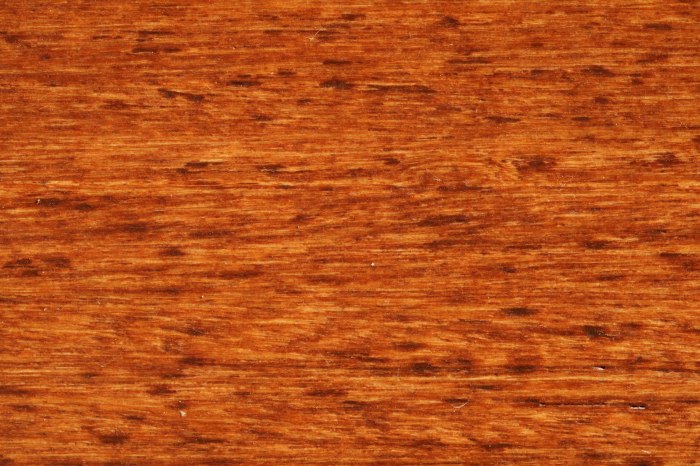
Meranti, a valuable hardwood, faces increasing scrutiny regarding its sourcing and environmental impact. Understanding the geographical origins of Meranti and the practices employed in its harvesting is crucial for ensuring responsible and sustainable use of this valuable resource. This section details the geographical distribution of Meranti trees, sustainable harvesting methods, the environmental impact of Meranti harvesting, and certifications promoting sustainable sourcing.
Meranti trees are primarily found in the rainforests of Southeast Asia, specifically in countries like Malaysia, Indonesia, and the Philippines. These regions boast a high biodiversity and are critical for global climate regulation. The concentration of Meranti species varies across these countries, influenced by factors such as soil type, altitude, and rainfall. Sustainable harvesting practices aim to minimize the environmental impact of Meranti logging while ensuring the long-term viability of the forests and the livelihoods of local communities.
Geographical Distribution of Meranti Trees
Meranti trees belong to the genus *Shorea* and are a significant component of Dipterocarp forests in Southeast Asia. The specific species distribution varies; for example, *Shorea leprosula* is common in Malaysia and Indonesia, while other species might be concentrated in specific regions within these countries or extend to the Philippines and other parts of Southeast Asia. This diverse distribution necessitates region-specific approaches to sustainable harvesting. Understanding the exact location of harvesting operations is vital for responsible sourcing.
Sustainable Harvesting Practices
Sustainable Meranti harvesting emphasizes selective logging, which involves identifying and removing only mature trees while leaving younger trees to grow and regenerate. This method contrasts with clear-cutting, which removes all trees in a given area, leading to significant environmental damage. Other sustainable practices include reforestation efforts, which involve planting new trees to replace those harvested, and the implementation of forest management plans to regulate logging activities and protect biodiversity. These plans often involve community involvement, ensuring local benefits and promoting long-term forest stewardship.
Environmental Impact of Meranti Wood Harvesting and Mitigation Efforts
Unsustainable harvesting of Meranti can lead to deforestation, habitat loss, soil erosion, and biodiversity decline. Deforestation contributes to climate change by releasing carbon dioxide into the atmosphere. However, sustainable harvesting practices aim to mitigate these impacts. Selective logging, reforestation, and reduced-impact logging techniques minimize habitat disruption and carbon emissions. Furthermore, efforts to combat illegal logging and promote certification schemes help ensure responsible forest management. These efforts are vital for preserving the rainforest ecosystems where Meranti trees thrive.
Certifications and Standards for Sustainable Meranti Wood Sourcing
Several certifications and standards promote sustainable Meranti wood sourcing. Adherence to these standards assures consumers that the wood comes from responsibly managed forests.
These certifications provide assurance of responsible forest management and help consumers make informed choices.
- Forest Stewardship Council (FSC) certification: This is a widely recognized certification that ensures responsible forest management practices, including biodiversity conservation, sustainable harvesting, and community involvement.
- Programme for the Endorsement of Forest Certification (PEFC): PEFC is another globally recognized certification system that promotes sustainable forest management.
- Sustainable Forestry Initiative (SFI): SFI is a North American standard, but its principles are applicable to global forestry and are increasingly relevant for international timber trade.
Meranti Wood Properties and Treatment
Meranti wood, known for its versatility and attractive appearance, exhibits varying properties depending on the specific species. Understanding these properties and employing appropriate treatment methods is crucial for maximizing its lifespan and performance in diverse applications. This section will explore the natural durability of Meranti and detail effective treatment techniques to enhance its resistance to decay and insect attack.
Meranti’s Natural Durability and Resistance
Meranti wood’s natural durability varies significantly across different species. Some exhibit moderate resistance to decay and insect attack, while others are more susceptible. Factors influencing this natural resistance include the wood’s density, heartwood extractives (natural chemicals that deter pests), and the specific growing conditions. Generally, denser Meranti species tend to show better natural durability. However, relying solely on natural resistance is often insufficient for long-term outdoor applications or in environments with high humidity or pest pressure. Therefore, supplementary treatment is usually recommended to ensure longevity.
Methods for Enhancing Meranti Wood Durability
Several methods exist to improve Meranti’s durability and resistance to pests. These treatments aim to modify the wood’s properties, making it less attractive to decay fungi and insects.
- Pressure Treatment: This is a common method for enhancing the durability of Meranti wood, particularly for outdoor applications. The wood is placed in a pressure vessel and treated with preservatives, such as chromated copper arsenate (CCA) – though use of CCA is declining due to environmental concerns – or alternative environmentally friendly preservatives like copper azole or copper-based formulations. The pressure forces the preservative deep into the wood, providing long-lasting protection. The effectiveness depends on the type of preservative and the treatment duration. Pressure treatment significantly improves resistance to decay and insect attack, extending the lifespan of Meranti used in decking, fencing, and other outdoor structures.
- Surface Treatment: For applications where full pressure treatment isn’t necessary, surface treatments can provide some level of protection. These include applying wood stains, paints, or preservatives to the wood’s surface. While less effective than pressure treatment in preventing deep penetration of decay organisms, surface treatments offer protection against weathering and UV damage, enhancing the wood’s aesthetic appeal and providing some level of pest deterrence. Regular reapplication is typically required, especially in harsh weather conditions.
- Heat Treatment: This method involves subjecting Meranti wood to high temperatures, modifying its chemical structure and making it less susceptible to decay and insect attack. Heat treatment is considered an environmentally friendly alternative to chemical treatments. While it doesn’t offer the same level of protection as pressure treatment with preservatives, it enhances the wood’s dimensional stability and reduces its moisture content, making it more resistant to warping and cracking. It is often used in conjunction with other treatments for optimal protection.
Preserving Meranti Wood for Various Applications
The appropriate preservation method for Meranti wood depends heavily on the intended application and the anticipated environmental conditions.
| Application | Recommended Treatment | Rationale |
|---|---|---|
| Outdoor Decking | Pressure Treatment (with a preservative appropriate for ground contact) | Provides maximum protection against decay, insect attack, and ground moisture. |
| Indoor Furniture | Surface Treatment (e.g., varnish, lacquer) | Protects against moisture and enhances aesthetics; pressure treatment is usually unnecessary. |
| Exterior Cladding | Pressure Treatment (with a preservative suitable for above-ground use) or Heat Treatment | Provides protection against weathering, UV degradation, and some insect attack. |
| Boatbuilding | Pressure Treatment (with marine-grade preservative) | Essential for protecting against prolonged exposure to water and marine borers. |
Meranti Wood Price and Market Trends
The price of Meranti wood, like other commodities, fluctuates based on a complex interplay of supply, demand, and global economic conditions. Understanding these factors is crucial for anyone involved in the Meranti wood trade, from producers to consumers. This section will explore the key drivers influencing Meranti wood prices and analyze current market trends to offer insights into potential future price movements.
Factors Influencing Meranti Wood Prices
Several interconnected factors significantly impact the global price of Meranti wood. These include the overall supply of Meranti timber, influenced by logging practices and forest management; the level of global demand, driven by construction activity and furniture manufacturing in key markets; the cost of transportation and logistics, affected by fuel prices and global shipping conditions; and finally, currency exchange rates, which impact the cost of importing and exporting Meranti wood. Furthermore, government regulations and environmental policies play a crucial role, influencing both supply and the cost of sustainable sourcing. For example, stricter regulations on logging practices in certain regions can reduce supply and increase prices, while government incentives for sustainable forestry can have the opposite effect.
Current Market Trends and Future Price Fluctuations
Currently, the Meranti wood market exhibits moderate growth, driven primarily by sustained demand from Asia, particularly China and Southeast Asia, for construction and furniture manufacturing. However, concerns regarding deforestation and sustainable sourcing are increasingly impacting consumer preferences and influencing purchasing decisions. This trend is likely to continue, potentially leading to higher prices for sustainably sourced Meranti wood. Conversely, the availability of alternative, more affordable wood species could exert downward pressure on Meranti prices. Predicting future price fluctuations with certainty is challenging, but considering the interplay of these factors, a moderate to slightly upward trend in prices for sustainably sourced Meranti is anticipated in the next few years. A significant increase in global construction activity, particularly in developing economies, could accelerate this trend. Conversely, a global economic downturn could lead to reduced demand and lower prices.
Average Price Ranges of Different Meranti Species
The price of Meranti wood varies significantly depending on the specific species, its quality (e.g., grade, size, and defects), and the region. Prices are typically quoted per cubic meter (m³) or per board foot (bf). The following table provides a general overview of average price ranges; actual prices may vary considerably depending on the factors mentioned above. These figures represent estimates based on available market data and should be considered approximations.
| Meranti Species | Region | Average Price Range (USD/m³) |
|---|---|---|
| Light Red Meranti | Southeast Asia | $400 – $600 |
| Dark Red Meranti | Southeast Asia | $450 – $700 |
| Yellow Meranti | Southeast Asia | $350 – $550 |
| Light Red Meranti | China | $500 – $750 |
| Dark Red Meranti | China | $550 – $850 |
| Yellow Meranti | China | $450 – $650 |
| Light Red Meranti | Europe | $600 – $900 |
| Dark Red Meranti | Europe | $650 – $1000 |
| Yellow Meranti | Europe | $550 – $800 |
Meranti Wood Finishing and Care
Proper finishing and care are crucial for preserving the beauty and longevity of Meranti wood. A well-maintained Meranti piece will retain its rich color and smooth texture for years, resisting damage and weathering. Choosing the right finishing techniques and adopting a consistent care routine will ensure your Meranti investment remains a valuable asset.
Finishing Meranti Wood
Meranti’s relatively soft nature requires careful consideration when choosing a finish. The goal is to protect the wood from moisture, scratches, and UV damage while enhancing its natural grain and color. Several methods offer excellent protection and aesthetic appeal. Oil-based finishes, such as polyurethane or varnish, provide a durable, hard-wearing surface. However, they can yellow over time. Water-based finishes are a good alternative, offering better UV protection and less yellowing, while still providing a strong protective layer. A penetrating oil finish allows the wood to breathe, preventing moisture buildup and enhancing the natural beauty of the wood grain, but may require more frequent reapplication. The choice of finish depends on the intended use and desired aesthetic.
Meranti Wood Cleaning and Protection
Regular cleaning is essential to prevent dirt and grime from accumulating and dulling the finish. A soft cloth dampened with a mild soap and water solution is generally sufficient for routine cleaning. Avoid harsh chemicals, abrasive cleaners, or excessive moisture, which can damage the wood and finish. For more stubborn stains, a specialized wood cleaner can be used, following the manufacturer’s instructions carefully. To protect the surface from scratches and spills, consider using coasters, placemats, and trivets, especially in high-traffic areas. Regularly inspect the wood for any signs of damage and address them promptly to prevent further deterioration.
Maintaining Meranti Wood Products
Maintaining Meranti wood involves both regular cleaning and periodic refinishing. Depending on the type of finish used and the level of exposure to the elements, refinishing might be needed every few years. This process typically involves sanding the surface lightly to remove any scratches or imperfections, followed by applying a fresh coat of the chosen finish. For outdoor Meranti applications, regular inspection for signs of weathering and decay is crucial. Promptly addressing any issues, such as cracks or insect damage, will help to extend the lifespan of the product. Consistent care and timely maintenance will keep your Meranti wood looking its best for many years.
Visual Representation of Meranti Wood
Source: coolspaces.tv
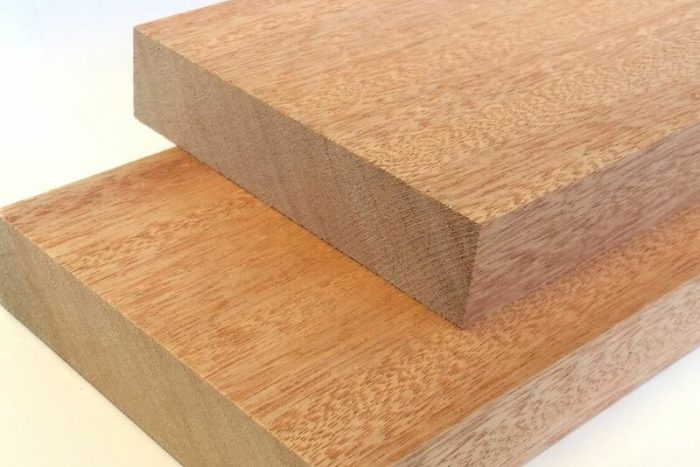
Meranti wood, encompassing numerous species within the Shorea genus, exhibits a wide range of visual characteristics. Understanding these variations is crucial for proper species identification and selecting the appropriate wood for specific applications. Color, grain pattern, and texture are key features to observe.
The appearance of Meranti wood is highly variable depending on the specific species and its growing conditions. This makes visual identification challenging without expert knowledge, but certain general characteristics can be identified.
Meranti Wood Color Variations
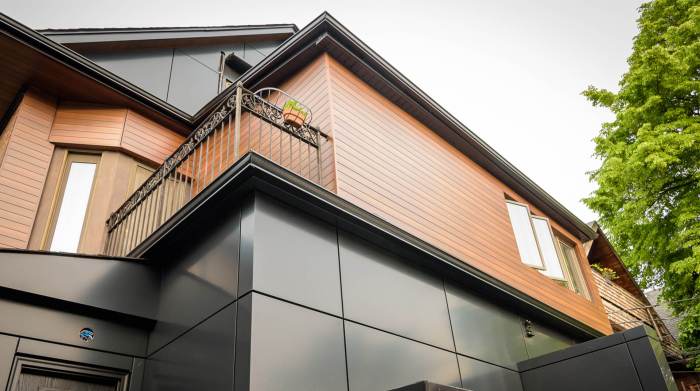
Meranti wood displays a diverse palette of colors. Light reddish-brown hues are common, often described as pinkish or light salmon. However, many species can exhibit darker shades, ranging from deep reddish-brown to almost mahogany-like tones. Some species even possess yellowish or brownish-yellow undertones. The heartwood is generally darker than the sapwood, creating a noticeable contrast in some cases. The color can also deepen with age and exposure to sunlight.
Meranti Wood Grain Patterns
The grain patterns of Meranti wood are generally straight, but variations exist. Many species show a relatively straight, even grain, providing a uniform appearance. However, some can exhibit interlocked or wavy grain, resulting in a more visually interesting texture. The grain’s appearance significantly impacts the wood’s final look and its suitability for specific applications. For instance, highly figured wood with interlocked grain is often prized for its aesthetic appeal and is sometimes used for decorative purposes.
Examples of Meranti Wood Grain
Let’s consider a few illustrative examples to highlight the diversity of Meranti grain. One species might present a straight, fine grain with subtle variations in tone, creating a calm and elegant look. Imagine a smooth, even surface with barely perceptible lines running parallel to each other, a gentle undulation of color that enhances the wood’s natural beauty. In contrast, another species might showcase a more pronounced interlocked grain, where the grain lines appear to be slightly twisted and interwoven, creating a three-dimensional effect. This can result in a more dramatic and visually complex pattern, with darker and lighter streaks creating a rich tapestry of color and texture. A third example could be a species with a wavy grain, where the lines flow in gentle curves across the surface, giving the wood a flowing, almost fluid appearance. This undulating pattern can be particularly striking in larger pieces, adding a dynamic element to the overall design.
Meranti Wood Texture
The texture of Meranti wood is generally medium to coarse. It’s often described as having a moderately smooth surface when planed. However, the interlocked grain in some species can make the surface slightly more uneven, providing a more rustic feel. The overall texture contributes significantly to the wood’s tactile qualities and aesthetic appeal. The variation in texture adds to the wood’s unique character, influencing how it feels to the touch and how it interacts with finishes.
Closing Notes
From its diverse species and unique properties to its sustainable sourcing and versatile applications, meranti wood stands as a testament to the remarkable diversity found within the world of hardwoods. By understanding its characteristics and employing proper care and maintenance techniques, you can harness the beauty and durability of meranti wood in a multitude of projects. Whether you’re a seasoned woodworker or a curious homeowner, this guide equips you with the knowledge needed to appreciate and utilize this exceptional material responsibly and effectively. We hope this comprehensive overview has provided valuable insight into the fascinating world of meranti wood.
Query Resolution
What is the average lifespan of a meranti wood product with proper care?
With proper care and maintenance, meranti wood products can last for decades, even generations.
Is meranti wood suitable for outdoor use?
While some meranti species are more naturally durable than others, proper treatment (like pressure treatment) is generally recommended for outdoor applications to protect against rot and insect damage.
How does the price of meranti wood compare to other hardwoods?
Meranti wood is generally considered a mid-range hardwood in terms of pricing, offering a good balance of quality and affordability compared to more expensive options.
Can I finish meranti wood myself?
Yes, meranti wood can be finished using various methods, including staining, varnishing, and oiling. Choosing the right finish depends on the desired look and the application of the wood.
Where can I purchase meranti wood?
Meranti wood is widely available through lumber yards, online retailers, and specialized wood suppliers. It’s best to check with local suppliers for availability and pricing in your area.